
 ONLINE VAPE STORE UK.
FREE DELIVERY OVER £40
- SAME DAY DISPATCH - ORDER BY 4PM
ONLINE VAPE STORE UK.
FREE DELIVERY OVER £40
- SAME DAY DISPATCH - ORDER BY 4PM
 01772 230513




Ingredients and Components for Disposable Vaporisers
Disposable vapes have been widely used because of their simple, ready-to-use design. However, the UK vaping market has changed significantly, and adult vapers now have a growing choice of rechargeable and reusable alternatives, including prefilled pod kits. Understanding the ingredients and internal components of a vape device can help users make more informed choices about the products they use.
This guide explains the common ingredients found in vape e-liquid and the main components that allow a disposable or prefilled vape device to operate. Exact ingredients and specifications can vary between products, so users should always check the manufacturer's packaging and product information.
Ingredients in Disposable Vapes: An Explanation
The e-liquid used in a vape device generally contains several key ingredients:
- Propylene Glycol (PG)
- Vegetable Glycerine (VG)
- Flavourings
- Nicotine, where included
E-liquid
One of the main parts of a vape device is the e-liquid, also known as vape juice. E-liquid is commonly made using propylene glycol (PG), vegetable glycerine (VG), flavourings and, in nicotine-containing products, nicotine. The exact ratio of PG and VG can vary depending on the product and the type of device it is designed for.
PG is commonly used to carry flavour and can contribute to the throat sensation experienced while vaping. VG is thicker and contributes to vapour production. Food-grade flavourings are used to create different flavour profiles, such as fruit, mint, beverage-inspired and sweet flavours.
Nicotine
Nicotine is not present in every vape product, but many devices and e-liquids contain it. In the UK, nicotine-containing consumer vape products are subject to specific regulations and limits. Nicotine is an addictive substance, so products containing it are intended for adult users only and should be used according to the manufacturer's instructions.
Vape products may be available in different nicotine strengths, including nicotine-free options. Adult users should check the nicotine strength carefully before purchasing a product and choose a suitable option based on their individual requirements.
Flavourings and Other Ingredients
Flavourings are an important part of the vaping experience and are responsible for the taste of the e-liquid. Depending on the formulation, an e-liquid may also contain other ingredients used to support flavour stability or product consistency. The exact formulation varies between manufacturers and products.
It is always sensible to buy vaping products from reputable retailers and check the product label for ingredient, nicotine and safety information. Users should also follow all warnings provided by the manufacturer.
Components of a Disposable Vape
Although the design can vary, most disposable and modern prefilled vape devices contain several key components that work together to heat the e-liquid and produce vapour:
- Battery
- E-liquid Reservoir or Pod
- Coil and Wick
- Mouthpiece
- Airflow System
- Sensor and Indicator Light
The Battery
The battery supplies power to the device and allows the heating element to operate. The battery capacity and design can affect how long a device can be used before it reaches the end of its intended lifespan or requires charging. Many newer vape products use rechargeable batteries, often with USB-C charging.
Battery specifications vary between devices. Users should only charge rechargeable products using suitable equipment and follow the charging instructions supplied by the manufacturer.
The E-liquid Reservoir or Pod
The e-liquid is stored inside a sealed reservoir or pod. In a traditional disposable vape, this reservoir is usually integrated into the device and is not designed to be refilled or replaced by the user. Once the e-liquid or battery is depleted, the device reaches the end of its intended use.
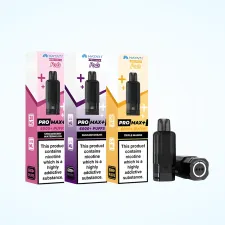
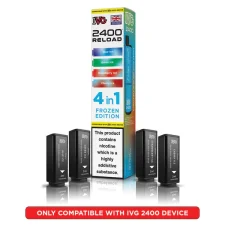
Modern vape devices may instead use replaceable prefilled pods. With these systems, the rechargeable battery device can be retained while a compatible pod is replaced when empty, depending on the product's design.
The Coil and Wick
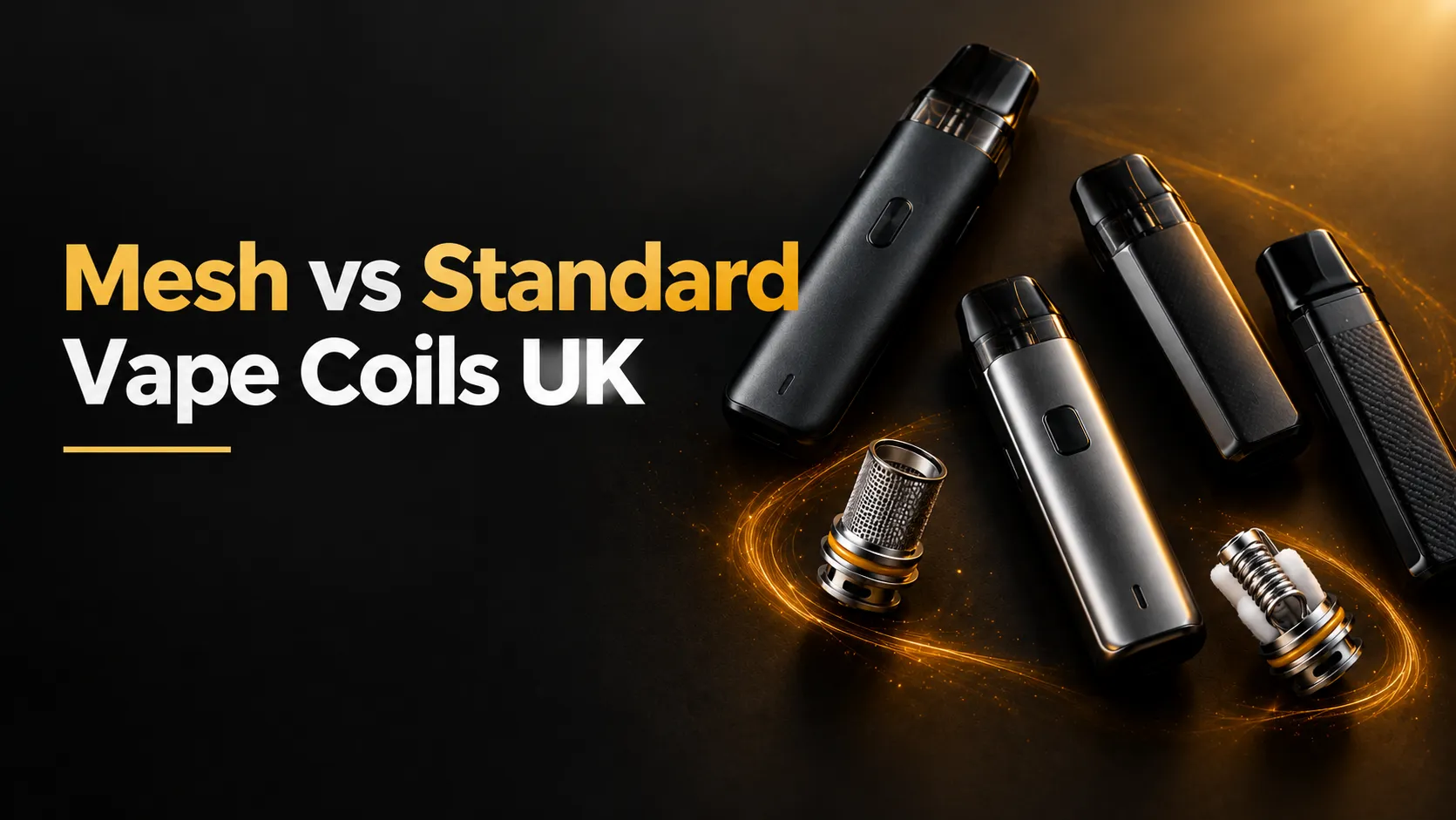
The coil is the heating element responsible for converting e-liquid into vapour. When the device is activated, electrical power heats the coil while the wick supplies it with e-liquid from the reservoir. Modern devices may use different coil designs and materials, including mesh-style heating elements.
The wick is commonly made from an absorbent material that draws e-liquid towards the heating element. If insufficient e-liquid reaches the wick, overheating can produce an unpleasant burnt taste.
Mouthpiece
The mouthpiece is the part of the device through which the user inhales. Its shape and size can vary depending on the product, with manufacturers designing mouthpieces to suit the overall form and intended draw style of the device.
Airflow System
The airflow system controls how air moves through the device during inhalation. Air passes through the vape as the user draws, helping carry the vapour towards the mouthpiece. The airflow design can influence how tight or open the draw feels.
Some advanced vape devices feature adjustable airflow, while many simple disposable and prefilled pod devices use a fixed airflow design chosen by the manufacturer.
Sensor and Indicator Lights
Many modern vape devices use an automatic draw sensor that detects when the user inhales and activates the heating element. This removes the need for a fire button and helps keep operation straightforward.
Some devices also include an LED indicator light or display. Depending on the product, this may provide information about charging, battery status or device operation. The meaning of different light patterns can vary, so users should check the manufacturer's instructions rather than assuming that every colour or flashing pattern means the same thing.
Understanding Modern Vape Devices
Vape technology continues to develop, and adult users now have more options than traditional single-use devices. Rechargeable prefilled pod kits, refillable pod systems and other reusable devices can offer different levels of convenience, maintenance and flexibility.
Understanding how e-liquid ingredients, batteries, coils, pods and airflow systems work together can make it easier to choose a device that matches your preferences. Before using any vape product, always read the manufacturer's instructions, check compatibility where relevant and follow the product's safety guidance.







1 Reply
The blog helped me understand the difference between ingredients and device components. Both are important for a good vaping experience.