
 ONLINE VAPE STORE UK.
FREE DELIVERY OVER £40
- SAME DAY DISPATCH - ORDER BY 4PM
ONLINE VAPE STORE UK.
FREE DELIVERY OVER £40
- SAME DAY DISPATCH - ORDER BY 4PM
 01772 230513
Rising Vape Use in Young People in the UK
The growing trends of e-cigarette use, or 'vapes', amongst young people across the UK become a rather important and fast-developing public health concern. Surveys conducted in March and April 2023 have returned results that show a steep increase in the number of children who have tried vaping, against a backdrop of high exposure to promotion of e-cigarettes. This blog looks at the key findings, patterns of use, reasons for vaping, and what these trends mean for young people.

This updated guide looks at the latest trends in vaping among young people in the UK, examining changes in experimentation, current and regular vaping, reasons for trying e-cigarettes, and the influence of promotion and accessibility. It also considers how vaping patterns differ by age and how vaping relates to smoking among young people.
The guide also explores how the UK vaping landscape has changed following the introduction of the single-use vape ban in June 2025. Using the latest available figures, it explains the decline in disposable vape use among young people and highlights the continuing importance of age restrictions, responsible marketing and education around vaping and nicotine.
Featured Products


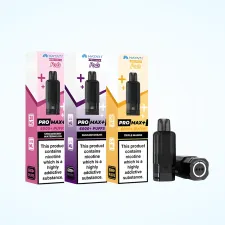




Table of Contents
Vaping Among Young People: The Latest Picture
Youth vaping remains an important concern in Great Britain, but the latest figures show a different picture from the rapid increase seen between 2021 and 2023. According to the 2026 ASH Smokefree GB Youth Survey, 19% of 11 to 17-year-olds have tried vaping, equivalent to an estimated 1.1 million young people. This figure has remained broadly stable since 2023, when ever-vaping reached around 20%.

Current vaping has also remained relatively stable. In 2026, around 6% of 11 to 17-year-olds currently vape, equivalent to approximately 370,000 young people. Regular vaping, defined by ASH as vaping more than once a week, stands at around 4%, while 2% vape daily. Experimentation remains the most common pattern, with around 10% reporting that they have tried vaping once or twice.
Vaping Increases With Age
Vaping remains more common among older teenagers than younger children. In 2026, around 13% of 11 to 15-year-olds reported ever trying a vape, compared with 32% of 16 to 17-year-olds. Current vaping followed a similar pattern, with around 4% of 11 to 15-year-olds currently vaping compared with 13% of 16 to 17-year-olds.
The figures also show a strong relationship between smoking and vaping. Young people who currently smoke are considerably more likely to vape than those who have never smoked. ASH reports that 52% of 11 to 17-year-olds who currently smoke also vape, compared with 19% of those who have stopped smoking and around 1% of never-smokers.
Why Are Young People Trying Vapes?
Curiosity and experimentation continue to play an important role in youth vaping. Among young people who have never smoked, trying vaping to see what it is like has historically been one of the most commonly reported reasons. Social influences and the appeal of flavours can also contribute to experimentation.
However, it is important not to present vaping as a product for children. Vapes are intended for adult smokers and should not be used by young people. The latest ASH research also shows that perceptions of vaping remain an important issue, with 62% of 11 to 17-year-olds believing vaping is as harmful as or more harmful than smoking.
The Role of Vape Promotion and Accessibility
Young people's exposure to vape promotion remains a concern. In the 2026 survey, 75% of 11 to 17-year-olds who were aware of vapes reported seeing vape promotion. Shops were the most commonly reported location, while online exposure was also significant, including platforms such as TikTok, YouTube and Instagram.
The legal age for purchasing nicotine-containing vaping products in the UK is 18. Despite this, underage access remains an issue, with young people reporting obtaining vapes through shops, friends and other sources. Preventing underage sales and reducing inappropriate exposure to vaping promotion remain important parts of tackling youth vaping.

The Decline of Disposable Vapes
The disposable vape market has changed significantly since the original version of this article was published. Disposable vapes were once the dominant device type among young people who vaped, accounting for 69% of primary device use in 2023 and 42% in 2025. However, the UK introduced a ban on the sale and supply of single-use vapes on 1 June 2025. The ban applies to single-use vapes sold both online and in physical shops, regardless of whether they contain nicotine.
The latest 2026 ASH data shows the impact of this change. Only 13% of 11 to 17-year-olds who vape reported primarily using disposable devices in 2026, compared with 42% in 2025 and 69% in 2023. This represents a substantial shift towards other types of vaping devices following the introduction of the ban.

What Has Changed Since 2023?
The latest evidence suggests that youth vaping should no longer be described simply as a rapidly rising trend. Ever-vaping increased sharply between 2021 and 2023 but has since remained around 18% to 20%. Current vaping has also stayed at approximately 6% to 7% since 2022. At the same time, the introduction of the single-use vape ban has dramatically reduced the proportion of young vapers primarily using disposable products.
This does not mean that youth vaping is no longer a concern. Around one in five 11 to 17-year-olds have tried vaping, and hundreds of thousands of young people still report current use. The figures highlight the need for effective age restrictions, responsible marketing, appropriate product regulation and clear education about nicotine and vaping.
Conclusion
The picture of youth vaping in Great Britain has changed considerably since the earlier 2023 data used in this article. The latest 2026 figures show that experimentation and current vaping have broadly plateaued rather than continuing to rise sharply. However, youth vaping remains a significant concern, particularly among older teenagers and young people who already smoke.
The introduction of the UK single-use vape ban in June 2025 has also transformed the market, with disposable devices becoming far less common among young vapers. Going forward, continued enforcement of age restrictions, responsible promotion and better education will be important in preventing underage vaping while maintaining the role of vaping as an adult smoking alternative.
Recommended By Ninja Vapes
| Product Name | Brand | Nicotine | Flavours | Puffs | E-liquid | Price | Deals | Place an Order |
|---|---|---|---|---|---|---|---|---|
| Lost Mary BM6000 | Lost Mary Vape | 20mg(2%) | 16+ | Around 6000 | 2ml pre-filled | £8.79 | Any 3 for £25 | Get Lost Mary BM6000 Now |
| IVG 2400 | IVG | 20mg(2%) | 25+ | Around 2400 | 4*2 ML pods | £6.79 | Any 3 for £18 | Buy IVG 2400 Now |
| OXVA XLIM PRO Pod Kit | OXVA Vape | 20mg(2%) | N/A | N/A | 2ml | £23.99 | N/A | Buy OXVA XLIM PRO Pod Now |
For a more detailed explanation, check out our guide on Understanding Vaping Regulations: What UK Users Should Know in 2025
Why Trust Ninja Vapes UK?
Lowest Price Guaranteed
Your savings, our promise.
5% Cashback on Orders
Earn rewards with every purchase.
Trusted by customers.
Free delivery over £40
Shop more, save more













1 Reply
I found this blog helpful and informative. It explains why vaping among teens is rising, what attracts them to it and what adults can do to help reduce the risks.