
 ONLINE VAPE STORE UK.
FREE DELIVERY OVER £40
- SAME DAY DISPATCH - ORDER BY 4PM
ONLINE VAPE STORE UK.
FREE DELIVERY OVER £40
- SAME DAY DISPATCH - ORDER BY 4PM
 01772 230513
Vape Battery Safety Tips
Learn essential vape battery safety tips, including how to charge, store, and handle vape batteries properly to improve performance and reduce safety risks.

Featured Products





Table of Contents
Vape Battery Safety Tips: Charging & Storage Guide
Vape batteries are one of the most important components of any vaping device. Regardless of whether you're using a pod kit, vape pen, or high-powered mod, battery care is a crucial aspect of safety, performance, and reliability. Vape devices these days feature a wide range of built-in safety devices, but there are ways to avoid unnecessary risks when vaping, such as incorrectly charging your device or poor storage practices.
Understanding how to safely charge and store vape batteries helps protect your device, extend battery lifespan, and ensure a better vaping experience. There are several reasons why problems can arise with batteries, including overcharging, incompatible chargers, carrying loose batteries, and exposure to extreme temperatures. It can make a big difference to the environment by making simple changes to everyday routines.
The Importance of Vape Battery Safety
Vape batteries are small, yet they contain a lot of energy. Lithium-ion batteries are used most commonly in modern devices as they deliver steady power and efficient performance. But, as with any rechargeable battery, they need to be handled correctly.
Incorrect battery use can lead to:
- Reduced battery lifespan
- Poor vaping performance
- Battery overheating
- Device damage
- Charging problems
- Increased safety risks
Battery safety is not just about protecting the device; it's also about enhancing its reliability and daily functionality.
Understanding Different Vape Battery Types
Different vape devices use different battery systems. Knowing which type of battery your device has aids in the correct charging and storage procedures.
Common vape battery types include:
Built-In Batteries
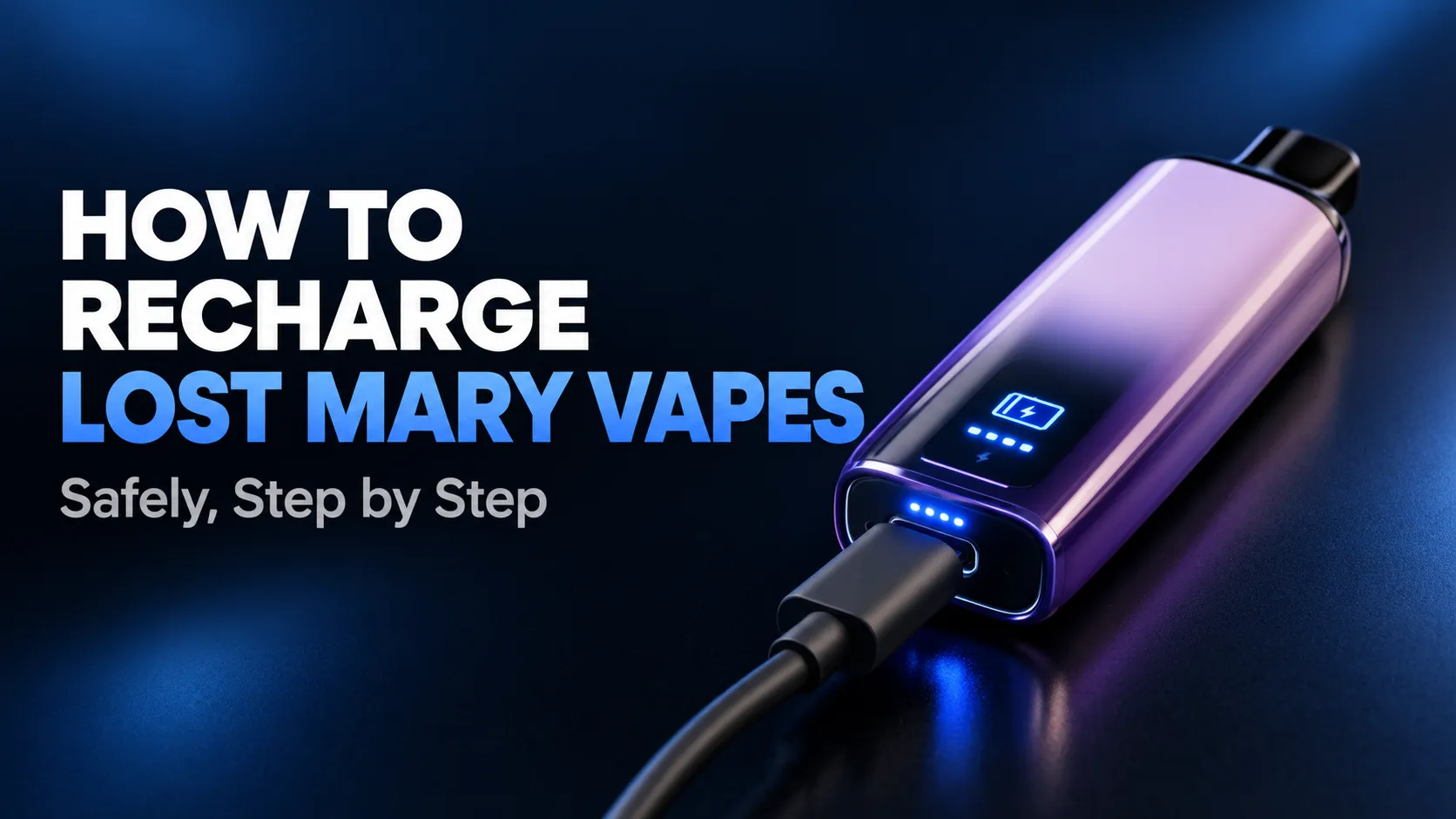
Pod kits and new devices often come with built-in rechargeable batteries. These batteries are built-in and are typically charged via the USB-C or micro-USB port.
External Batteries
Advanced vape mods can have replaceable batteries, including:
- 18650 batteries
- 20700 batteries
- 21700 batteries
External batteries offer flexibility and longer usage but require additional care and proper storage.
Safe Vape Battery Charging Tips
Proper battery charging is a critical aspect of battery safety.
Use the Correct Charger
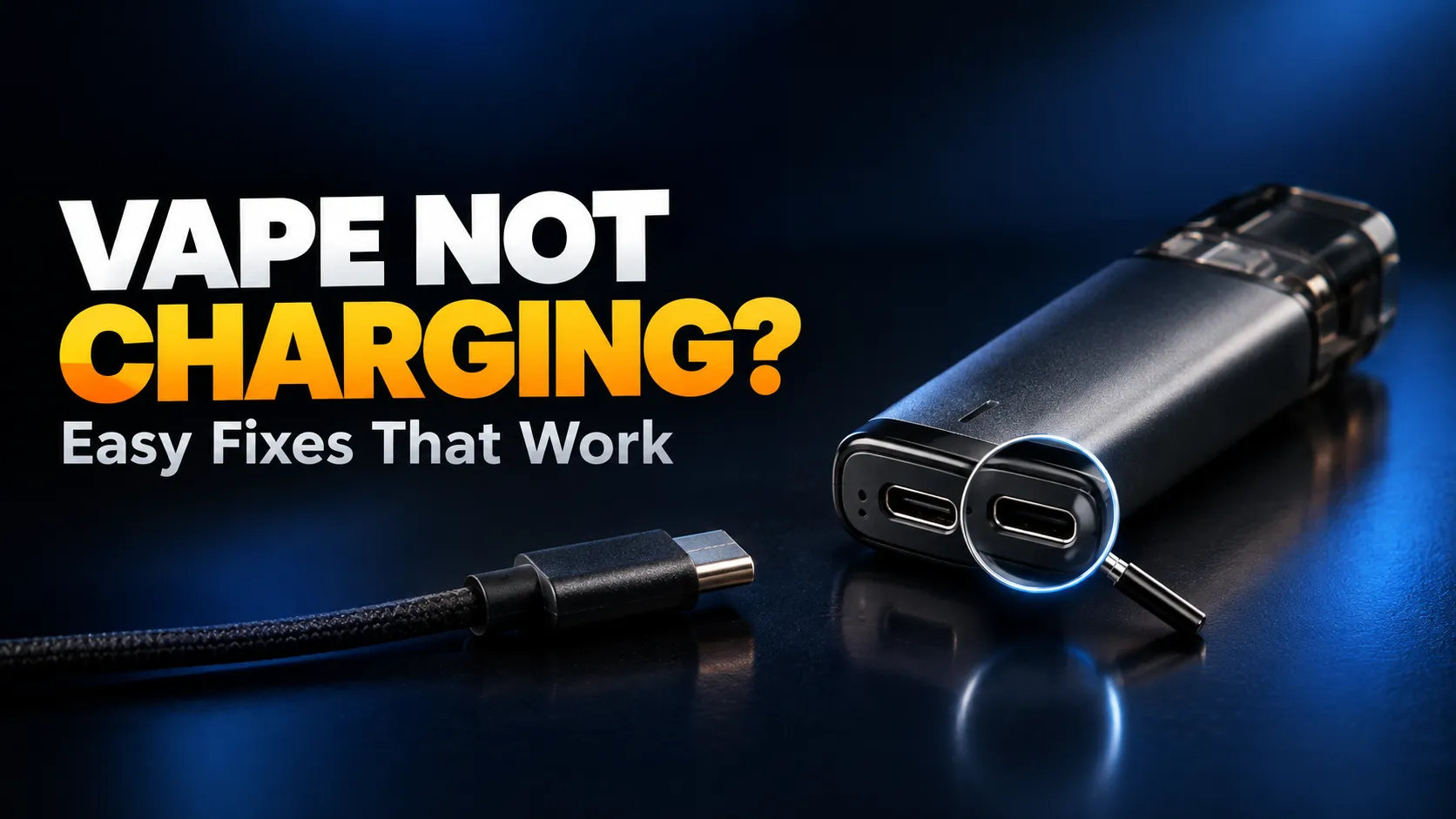
Always use the charger supplied by the manufacturer or one specifically recommended for your device. The battery could sustain damage if substandard and incompatible charging accessories are used.
Avoid:
- Cheap third-party chargers
- Damaged cables
- Incorrect charging adapters
Avoid Overcharging
Many modern devices will not charge automatically; however, leaving batteries in overnight for long periods should still be avoided.
Good charging habits are:
- Unplug after full charge
- Monitor charging when possible
- Avoid continuous charging cycles
Charge on Flat Surfaces
Always place vape devices on a stable, non-flammable surface while charging.
Avoid charging on:
- Beds
- Sofas
- Pillows
- Blankets
Soft surfaces can trap heat and reduce airflow.
Keep Batteries Away From Heat
Batteries can be affected by heat and become unsafe.
Avoid charging devices:
- In direct sunlight
- Inside hot vehicles
- Near heaters
- Close to radiators
High temperatures can shorten battery life and increase stress on internal cells.
Store Batteries in Cool, Dry Places
Keep batteries out of direct sunlight and water.
Ideal storage conditions:
- Room temperature
- Dry environments
- Away from humidity
- Will not be exposed to direct sunlight
Avoid Extreme Temperatures
Extreme high and low temperatures have an impact on battery chemistry.
Avoid storing batteries:
- Inside cars
- Near windows
- In freezing temperatures
- In the region near sources of heat
The moderate temperatures help maintain battery life.
Inspect Batteries Regularly
Regular battery testing will prevent problems from becoming serious.
Look for:
- Cracks at the battery ends
- Dents
- Leaks
- Unusual heat
- Corrosion
Any damaged batteries must not be used.
If the wraps are damaged, replace the battery immediately or replace the whole battery.
Travelling with Battery Safety
It is common for many users to carry their vapes around without thinking of protecting their batteries.
Travel tips include:
- When transporting devices, turn them off
- If possible, take batteries out
- Always use protective battery cases
- Ensure that devices are not exposed to direct sunlight
These are measures to mitigate accidental firing and battery stress.
Common Vape Battery Mistakes to Avoid
There are a lot of battery problems that are due to common everyday errors.
Avoid:
- Using damaged batteries
- Overcharging overnight regularly
- Carrying loose batteries
- Using incorrect chargers
- Do not allow batteries to get hot
- Failure to respond to signs of battery damage
With repetition over time, small errors can impact performance and safety.
Advantages of Proper Vape Battery Care
Advantages of battery practices are as follows:
- Longer battery lifespan
- Better device performance
- Consistent power output
- Reduced overheating risks
- Improved charging efficiency
- Safer daily vaping
Good battery habits protect both users and devices.
Conclusion
Taking the time to understand vape battery safety is an integral component of responsible vaping. By following safe charging protocols, using proper storage techniques, and conducting regular battery checks, unnecessary risks are minimised, and device performance is optimised. Regardless of whether you are using a pod kit or a high-powered vape mod with external batteries, handling batteries properly will help to make vaping a safer, more reliable, reliable and enjoyable experience every day.
Why Trust Ninja Vapes UK?
Lowest Price Guaranteed
Your savings, our promise.
5% Cashback on Orders
Earn rewards with every purchase.
Trusted by customers.
Free delivery over £40
Shop more, save more












Aashir Mughal is a Content Writer at Ninja Vapes, creating SEO-friendly product descriptions, guides, and engaging content that helps customers make informed vaping choices.
0 Replies