
 ONLINE VAPE STORE UK.
FREE DELIVERY OVER £40
- SAME DAY DISPATCH - ORDER BY 4PM
ONLINE VAPE STORE UK.
FREE DELIVERY OVER £40
- SAME DAY DISPATCH - ORDER BY 4PM
 01772 230513
What Types of Batteries Are in Disposable Vapes?
Both disposable and non-disposable vape employ lithium-ion batteries as its power source. The heating coil in a vape pen is turned on by a battery, turning the liquid inside it into vapor.

Understanding how vape batteries work is essential for getting reliable performance and using rechargeable vape devices safely. This guide explains the main types of vape batteries, including built-in rechargeable batteries and replaceable lithium-ion cells such as 18650 and 21700 batteries. It also covers important factors such as mAh capacity, voltage, wattage, coil resistance and how these affect battery runtime.
The guide also provides practical advice on charging, storage, maintenance and battery safety. From avoiding extreme temperatures and loose battery storage to recognising damaged cells and using compatible chargers, these tips can help adult vapers take better care of their devices. Whether using a compact pod system or an advanced vape mod, understanding battery requirements and following manufacturer guidance is key to safe and dependable use.
Featured Products





Table of Contents
Modern vape devices use rechargeable lithium-ion batteries to provide power to the heating coil. When the device is activated, the battery supplies power to the coil, which heats the e-liquid and produces vapour. Rechargeable batteries are designed to be used repeatedly, while single-use devices have traditionally been discarded once their battery or e-liquid is depleted. In the UK, however, single-use disposable vapes are no longer permitted for sale or supply, making rechargeable pod systems and other reusable devices increasingly important alternatives.
What Exactly Is a Vape Battery?
A vape battery is the power source that supplies electricity to the heating coil or atomiser. Depending on the device, the battery may be built into the vape or removable. Internal batteries are permanently fitted inside the device and are normally recharged through a USB charging port. Larger advanced vape mods may use replaceable lithium-ion cells, such as 18650 or 21700 batteries.
The type of battery used depends on the device. Compact pod systems and vape pens commonly feature built-in rechargeable batteries, while some advanced vape mods are designed to accept replaceable cells. Always check the manufacturer's specifications before charging or replacing a vape battery.
Types of Vape Batteries
Vape batteries can generally be divided into two categories: internal rechargeable batteries and removable batteries.
Internal Rechargeable Batteries
- Built directly into the vape device.
- Usually charged through a USB charging connection.
- Common in pod systems, vape pens and compact vape kits.
- Convenient because there is no need to remove or replace the battery.
- The device may eventually need replacing when the built-in battery reaches the end of its usable life.
Replaceable Vape Batteries
- Commonly found in advanced vape mods.
- Can be removed and replaced when the cell reaches the end of its usable life.
- Common formats include 18650 and 21700 lithium-ion cells.
- Require careful handling, storage and charging.
- Loose batteries should always be transported in a suitable protective case.
Understanding Battery Voltage and Capacity
Vape battery capacity is normally measured in milliamp-hours (mAh). A higher mAh rating generally means a battery can store more electrical energy, although actual runtime depends on how much power the device uses. A high-powered vape can therefore use a larger-capacity battery relatively quickly.
Voltage is different from capacity. Voltage describes the electrical potential supplied by the battery, while mAh describes its capacity. Modern regulated vape devices control the power delivered to the coil electronically, so users should always operate the device within the manufacturer's recommended settings.
Coil resistance and wattage also affect battery consumption. Higher wattage generally requires more power, while lower-resistance coils can draw more current depending on the device and operating conditions. This means two vapers using batteries with the same mAh rating may experience very different battery runtimes.
Battery Capacity and Power Output
Battery capacity is not the only specification that matters when choosing a replaceable cell. Current capability is also important, particularly for higher-powered devices. A battery must be suitable for the power demands of the vape it is being used in.
When purchasing replaceable batteries, always check the manufacturer's recommended battery type and specifications. Do not assume that a battery with a higher mAh rating is automatically the best choice. Compatibility, current capability, quality and safety are all important considerations.
How Long Does a Vape Battery Last?
There is no single answer to how long a vape battery will last between charges because battery consumption varies from person to person. Factors that can affect battery runtime include:
- How frequently the device is used.
- The length of each puff.
- The wattage or power setting.
- The resistance of the coil.
- The battery capacity and condition.
- How the battery is charged, stored and maintained.
For example, someone who takes short and occasional puffs may get considerably more use from a charge than someone who takes frequent, longer puffs at a high wattage. As a battery ages, its ability to hold a charge can also gradually decrease.
How to Extend Your Vape Battery Life
Proper charging, storage and general care can help maintain the performance of a rechargeable vape battery. Following the manufacturer's instructions should always take priority, but several general practices can help protect your battery.
Store Batteries Correctly
If you are storing a vape or removable battery for an extended period, keep it in a cool, dry place away from direct sunlight and extreme temperatures. Removable lithium-ion batteries should be stored in a protective case rather than loose in a pocket, bag or drawer.
Avoid Deep Discharges
Modern vape devices normally include battery protection and will stop operating when the battery reaches a low level. You do not need to deliberately drain a lithium-ion battery completely before recharging it. Regularly allowing a battery to become completely depleted can contribute to unnecessary wear over time.
Use the Correct Charger
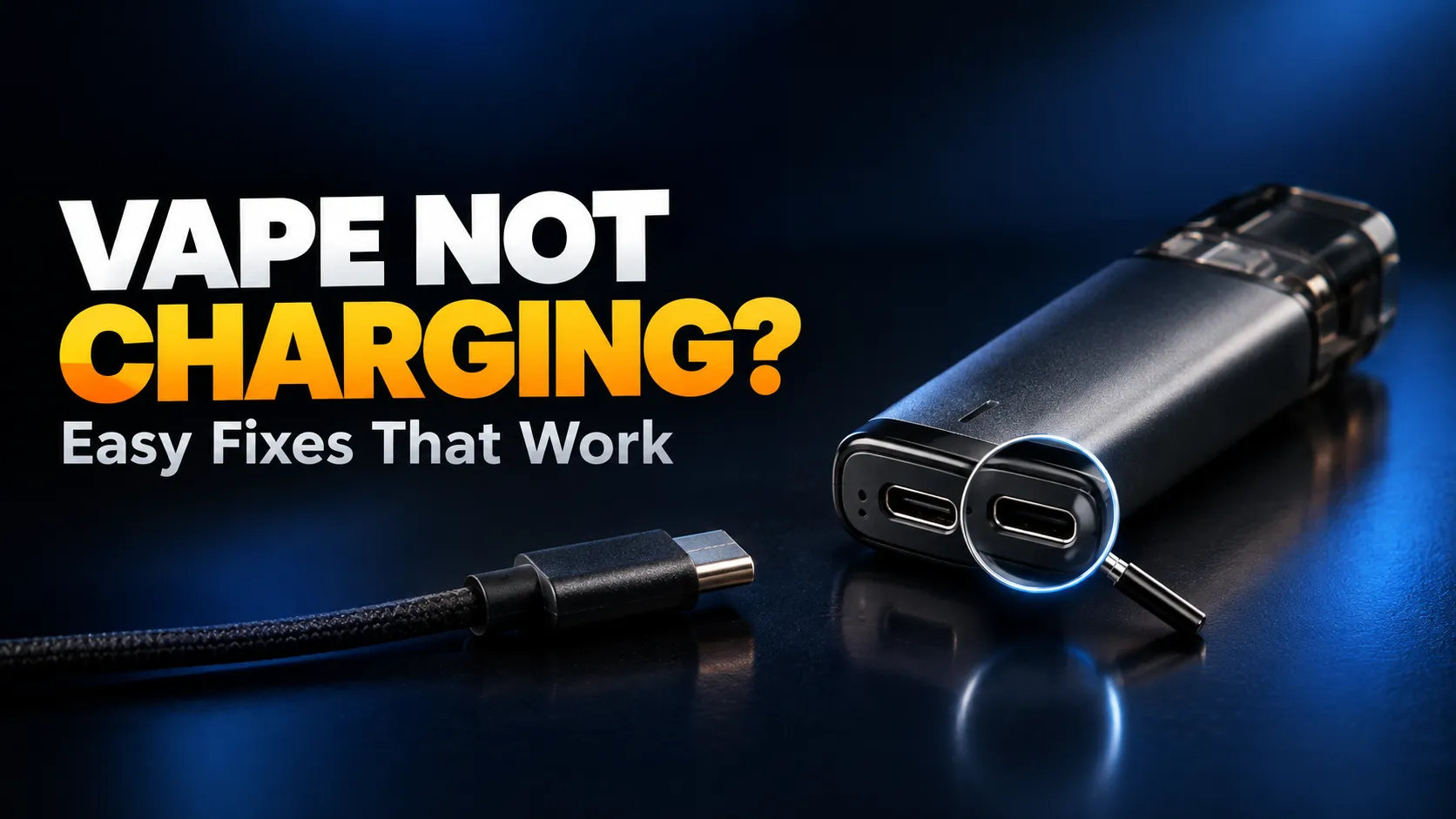
Always use the charging method recommended by the device manufacturer. Do not use damaged cables, unsuitable chargers or modified charging equipment. If your device becomes unusually hot while charging, disconnect it and allow it to cool before checking the manufacturer's guidance.
Avoid Extreme Temperatures
Lithium-ion batteries can be affected by extreme heat and cold. Avoid leaving a vape or spare battery in direct sunlight, inside a hot vehicle or near other sources of heat. Allow a device that has become very hot or cold to return to a normal temperature before using or charging it.
Keep Battery Contacts Clean and Dry
Battery contacts should be kept clean and dry. If the contacts need cleaning, use a clean, dry cloth or cotton swab and make sure the device is switched off and disconnected from its charger. Never use liquids, flammable substances or household chemicals to clean battery terminals.
Switch Off When Appropriate
If your device has a power button, switch it off when it is not being used for an extended period or when transporting it, following the manufacturer's instructions. This can help prevent accidental activation and unnecessary battery drain.
Vape Battery Safety
Battery safety is particularly important when using devices with removable lithium-ion cells. Damaged or incorrectly handled batteries can present a serious safety risk, so they should always be treated with care.
Here are five important ways to improve vape battery safety:
- Use batteries recommended by the device manufacturer.
- Purchase batteries from reputable and reliable sources.
- Inspect batteries regularly for damage.
- Transport removable batteries in a protective case.
- Stop using and safely replace damaged, swollen or leaking batteries.
Never Carry Loose Batteries
Never carry a loose lithium-ion battery in a pocket, handbag or bag where it could come into contact with coins, keys or other metal objects. Accidental contact can cause a short circuit and create a serious safety hazard. Use a dedicated plastic battery case whenever carrying spare cells.
Do Not Use Damaged Batteries
Check removable batteries regularly for torn wraps, dents, corrosion, swelling or other visible damage. A damaged battery should not be used or rewrapped as a temporary fix. Replace it with a suitable battery and dispose of the damaged cell through an appropriate battery recycling or disposal service.
Battery Storage
When storing a vape device, keep it somewhere cool, dry and away from direct sunlight. If your device uses a removable battery, take the cell out when appropriate and store it in a protective battery case.
Avoid storing batteries completely discharged for long periods. For extended storage, follow the battery manufacturer's recommendations regarding the appropriate charge level and check the battery periodically.
Internal vs Replaceable Vape Batteries
Internal and replaceable batteries both have advantages. Internal batteries are convenient because they remain inside the device and can normally be charged using a USB cable. They are commonly found in compact pod kits and vape pens.
Replaceable batteries provide greater flexibility because a depleted cell can be replaced rather than replacing the entire device. They are commonly used in advanced vape mods, although they require more careful handling and storage.
Recommended Battery Types
18650 and 21700 lithium-ion cells are commonly used in compatible advanced vape mods. However, there is no single battery that is suitable for every vape. Always use the battery type, specifications and number of cells recommended by the manufacturer of your device.
If your vape uses replaceable batteries, check the device manual before purchasing replacement cells. Do not mix different battery brands, capacities, ages or charge levels in a device that requires multiple cells unless the manufacturer specifically permits it. Matched batteries should be used where required.
Recommended Product
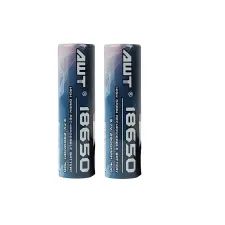
AWT 18650 2900mAh Battery (1PACK)
AWT 18650 2900mAh 3.7V 40A Battery (1PACK) is a Lithium-ion Battery with 40A max discharge current.
Recommended Product
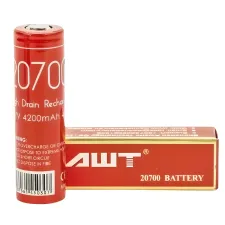
AWT 20700 4200mAh Battery (1PACK)
AWT 20700 4200mAh Li-MN 40A Battery (1PACK) is a High Drain Rechargable Battery from AWT with 40A max current.
Recommended Product
AWT 18650 2900mAh Battery (1PACK)
AWT 18650 2900mAh 3.7V 40A Battery (1PACK) is a Lithium-ion Battery with 40A max discharge current.
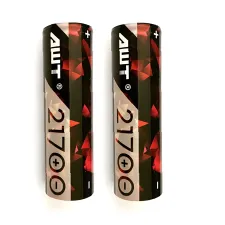
Recommended Product
AWT Battery 21700 4800mAh (2PACK)
AWT Battery 21700 4800mAh (2PACK) is a powerful battery from AWT to power favourite vape kits.
Recommended Product
Golisi S30 18650 3000mAh Battery
Golisi S30 18650 3000mAh Battery (1PACK) is a 3000mAh ICR 18650 3.7V Li-ion rechargable battery with 25A continuous discharge current.
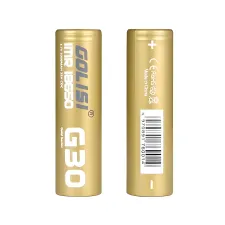
Recommended Product
Golisi G30 18650 3000mAh Vape Battery (1PACK)
Golisi G30 18650 3000mAh Vape Battery is a ICR Li-ion 4.2CV rechragable battery with 35A Max Current.
Final Thoughts on Vape Batteries
Understanding your vape battery can help you get reliable performance while reducing avoidable safety risks. Battery capacity, power output, charging method, storage conditions and device compatibility all play a role in how a vape battery performs.
Whether your vape uses an internal rechargeable battery or removable 18650 or 21700 cells, always follow the manufacturer's instructions. Use compatible charging equipment, keep batteries away from extreme temperatures and replace any cell that shows signs of damage. With proper handling and regular care, rechargeable vape batteries can provide dependable performance throughout their usable lifespan.
Why Trust Ninja Vapes UK?
Lowest Price Guaranteed
Your savings, our promise.
5% Cashback on Orders
Earn rewards with every purchase.
Trusted by customers.
Free delivery over £40
Shop more, save more










1 Reply
It was helpful to read about future trends, like larger capacity or longer-lasting batteries in disposable vapes.